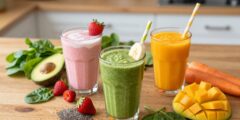
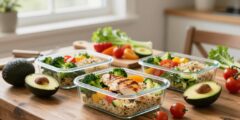
Did you know a good diet can make you feel more energetic and healthy? Starting with healthy eating for beginners can change your life and help you reach your wellness goals.
Starting a new eating habit can seem tough, but it’s not. Simple healthy meal plans for beginners can help you make better food choices. By adding beginner-friendly recipes to your day, you can enjoy quick and nutritious meals that taste great and are good for you.

Key Takeaways
- Healthy meal planning is key for a balanced life.
- Beginner-friendly recipes make cooking easier.
- Quick, healthy meals are possible with simple planning.
- A good diet boosts energy and health.
- Healthy eating habits lead to lasting wellness.
The Fundamentals of Healthy Eating for Newcomers
Learning about healthy eating is key to making good food choices. It’s not just about avoiding certain foods or following the latest diets. It’s about finding a balanced and lasting way to eat.
Basic Nutrition Principles Everyone Should Know
A good diet has foods from all groups. Choose whole foods like veggies, fruits, whole grains, lean proteins, and healthy fats. Remember to watch your portion sizes and avoid too many processed or high-calorie foods.

| Nutrient | Food Sources | Benefits |
|---|---|---|
| Protein | Lean meats, fish, eggs, dairy, legumes | Builds and repairs muscles |
| Fiber | Fruits, vegetables, whole grains | Aids digestion and satiety |
| Healthy Fats | Nuts, seeds, avocados, olive oil | Supports heart health |
Common Obstacles Beginners Face and How to Overcome Them
Feeling like you’re missing out is a big challenge. To beat this, add more healthy foods to your meals. Don’t cut out foods you love.
Staying motivated can be tough. Set achievable goals and track your progress. Try new recipes and flavors to make meals exciting.
Simple Healthy Meal Plans for Beginners: Getting Started
For beginners, making a healthy meal plan starts with looking at your eating habits. It’s important to set goals that are realistic. This step is key to starting a healthier eating journey.
Assessing Your Current Eating Habits
It’s crucial to know what you eat now. Keep a food diary for a week to see what you eat every day. This will show you patterns, like snacking too much or eating certain foods more often. Use this info to find areas to get better at.

Setting Realistic Health Goals
Setting goals that you can reach is important to stay motivated. Specific, measurable goals are the best. For example, try to eat a vegetable with every meal or eat half as much processed food. These goals should be tough but doable.
| Goal | Action Plan | Timeline |
|---|---|---|
| Increase vegetable intake | Add a serving to every meal | 1 week |
| Reduce processed foods | Replace with whole foods | 2 weeks |
Creating a Sustainable Meal Planning Routine
A good meal planning routine is about using seasonal produce and preparing meals ahead of time. This saves time and keeps your diet interesting and healthy. Start with easy recipes and then try new things.
Essential Kitchen Tools for Easy Meal Preparation
Getting the right tools for your kitchen is key to making meal prep simpler. The right kitchen essentials can greatly improve how quickly and easily you can cook healthy meals. We’ll look at the must-have appliances and cookware that will make your meal prep easier.
Must-Have Appliances That Simplify Cooking
Having the right appliances is crucial for easy cooking. Some of the most useful appliances for meal prep include:
- A slow cooker for cooking meals that simmer all day
- A food processor for chopping and pureeing ingredients
- An Instant Pot for pressure cooking and quick meal preparation
- A blender for making smoothies and soups

Basic Cookware and Utensils for Healthy Meal Prep
Along with appliances, the right cookware and utensils are essential for healthy meal prep. Some must-haves include:
| Cookware | Utensils |
|---|---|
| Non-stick skillet | Silicone spatulas |
| Stainless steel pots | Wooden spoons |
| Cast iron Dutch oven | Tongs |
By investing in these essential kitchen tools, you’ll be well on your way to simplifying your meal preparation process and making healthy eating easier.
Building a Beginner-Friendly Grocery List
Making a healthy grocery list is easier than you think. Focus on a few key areas to create a list that meets your nutritional goals. It won’t cost a lot and you don’t need to be a pro at meal planning.

Pantry Staples That Last for Weeks
Having the right pantry staples makes cooking easy. Think about whole grains like brown rice and quinoa, canned goods like beans and tomatoes, and spices. These items are versatile and last a long time, making them great for budget-friendly grocery shopping. As Bon Appétit says, “A well-stocked pantry is the key to effortless cooking.”
Fresh Produce Shopping Guide: What to Buy and When
Fresh produce is key for a healthy diet, but picking the right items can be tricky. Choose seasonal produce for freshness and savings. In summer, go for berries, corn, and tomatoes. In winter, pick root veggies like carrots and sweet potatoes. This way, you get the best value for your money.
Protein Sources for Every Diet and Budget
Protein is vital, and there are many affordable options. Start with basics like beans, lentils, eggs, and canned tuna. These are great for beginners and can be used in many dishes. A nutrition expert advises, “Mix plant and animal proteins to meet your nutritional needs.”
By following these tips, you can make a simple grocery shopping list that helps you eat healthy. Just remember, start simple and stay consistent.
Budget-Friendly Approaches to Healthy Eating
Eating healthy doesn’t have to be expensive. There are many ways to eat well without spending a lot. By choosing wisely and using simple strategies, you can enjoy healthy meals without breaking the bank.

Seasonal Shopping Strategies to Save Money
Shopping for produce in season is a great way to save money. Seasonal produce is cheaper, fresher, and more nutritious. Planning meals around seasonal items can cut down your grocery bills a lot.
For example, buying berries in summer or squash in fall is cheaper than out-of-season produce. Farmers’ markets often have great deals on seasonal produce. This makes it easier to eat healthy without spending a lot.
Affordable Protein Options That Don’t Sacrifice Nutrition
Protein is key to a healthy diet, but it doesn’t have to be expensive. There are many affordable protein sources that are just as good as the pricey ones.
- Beans and legumes are rich in protein, fiber, and vitamins.
- Canned tuna and salmon are affordable and full of omega-3 fatty acids.
- Eggs are versatile and affordable, great for many dishes.
| Protein Source | Cost per Serving | Nutritional Benefits |
|---|---|---|
| Black Beans | $1.50 | High in fiber, protein, and folate |
| Canned Tuna | $2.00 | Rich in omega-3 fatty acids and protein |
| Eggs | $1.00 | Excellent source of protein and vitamins |
Reducing Food Waste to Stretch Your Dollar
Reducing food waste can also help stretch your food budget. Planning meals, using leftovers, and storing food properly can cut down waste. This saves money and helps the environment.
For example, making broth from vegetable scraps or freezing leftovers can save money. Paying attention to expiration dates and storing food correctly also helps prevent waste.
By using these budget-friendly tips, you can enjoy healthy meals without overspending. Whether it’s through seasonal shopping, affordable protein, or reducing waste, there are many ways to eat well on a budget.
Time-Saving Meal Prep Strategies for Busy People
Meal prep is a lifesaver for those with tight schedules. It lets you enjoy nutritious meals without daily stress. Just a few hours on the weekend can make a big difference, saving you time and ensuring healthy meals.
Weekend Prep: 2 Hours for 5 Days of Easier Meals
Spending a couple of hours on the weekend on meal prep can make weekdays easier. Begin by planning meals for the next five days. Choose recipes that use similar ingredients to cut down on waste and save time.
Prepare a mix of proteins, veggies, and whole grains. This way, you can mix and match to create different meals. For example, grill several chicken breasts, roast a big batch of veggies, and cook a large pot of quinoa or brown rice. These can be the base for many meals.

Batch Cooking: Cook Once, Eat Multiple Times
Batch cooking is a smart time-saving meal prep trick. It means cooking big batches of ingredients or meals that can be reheated or used in different ways all week.
For example, making a big batch of lentil soup or chili can last for several lunches or dinners. Cooking a large batch of rice or grains and roasting many trays of veggies can also help make various meals.
| Meal Prep Strategy | Benefits | Example Meals |
|---|---|---|
| Weekend Prep | Saves time during the week, reduces stress | Grilled chicken with roasted vegetables, quinoa salad |
| Batch Cooking | Reduces food waste, saves money | Lentil soup, chili, roasted vegetables |
By using these meal prep tips, you can enjoy healthier, more convenient meals, even on the busiest days.
7-Day Beginner Meal Plan with Shopping List
Starting with meal planning can be easy with a beginner-friendly 7-day meal plan and shopping list. This plan helps you eat healthy by offering structured meals and a shopping list for prep.

1200-1500 Calorie Daily Plan Options
A 1200-1500 calorie daily plan is great for weight management. It still lets you get all the nutrients you need. Here’s what a day’s meals might look like:
| Meal | Food | Calories |
|---|---|---|
| Breakfast | Oatmeal with fruits | 300 |
| Lunch | Grilled chicken salad | 400 |
| Dinner | Baked salmon with vegetables | 500 |
1800-2200 Calorie Daily Plan Options
If you need more energy, try an 1800-2200 calorie daily plan. Here’s a sample meal plan:
| Meal | Food | Calories |
|---|---|---|
| Breakfast | Scrambled eggs with whole-grain toast | 350 |
| Lunch | Turkey and avocado wrap | 600 |
| Dinner | Grilled chicken breast with quinoa and broccoli | 700 |
Both meal plans are flexible. You can adjust them to fit your tastes and dietary needs.
Breakfast Recipes: Quick and Nutritious Morning Meals
A healthy breakfast doesn’t have to be hard or take a lot of time. With simple ingredients and planning, you can have a nutritious meal ready for the day.
5-Minute Breakfast Ideas for Hectic Mornings
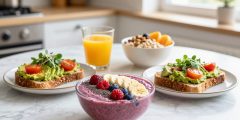
For busy mornings, quick breakfast recipes are a lifesaver. Options like overnight oats, yogurt parfaits, or avocado toast can be made in minutes. These meals are quick and full of nutrients to keep you going.
Some ideas include:
- Avocado toast with scrambled eggs
- Greek yogurt with berries and granola
- Smoothies made with your favorite fruits and spinach
Make-Ahead Breakfast Options for Grab-and-Go Convenience
Make-ahead breakfast is great for those who have to rush out the door. Preparing breakfast the night before or on the weekend saves time. Muffins, breakfast burritos, and chia seed pudding are perfect for refrigerating or freezing.
Try making breakfast burritos on the weekend and freeze them for up to three months. Just microwave or toast when you need them.
Weekend Breakfast Recipes Worth the Extra Effort
Weekends are the perfect time for more elaborate weekend breakfast recipes. Try pancakes, waffles, or a breakfast casserole for family gatherings or a relaxing morning.
A simple recipe to try is a breakfast strata. It’s made with bread, eggs, cheese, and your choice of vegetables or meats. It’s a versatile dish that’s sure to become a weekend favorite.
Lunch and Dinner Solutions: Simple Yet Satisfying Meals
Looking for healthier meals is key. Busy lives often lead to fast food. But, with some planning, you can make tasty, healthy meals that fit your schedule.
Office-Friendly Lunch Recipes That Don’t Need Reheating
Busy workdays need easy lunches. Try a quinoa salad with roasted veggies and citrus dressing. Or, make a wrap with grilled chicken, avocado, and greens. These are easy to make, pack well, and can be eaten at your desk.
- Quinoa and Black Bean Salad
- Turkey and Avocado Wrap
- Grilled Chicken and Veggie Wrap
30-Minute Dinner Recipes for Weeknight Ease
Weeknights are busy, but you can still cook at home. 30-minute dinner recipes are perfect. Make a one-pot pasta with marinara, or a stir-fry with your favorite veggies and protein. These meals are quick, easy, and customizable.
- Spaghetti Aglio e Olio
- Chicken and Vegetable Stir-Fry
- Black Bean and Corn Tacos
One-Pot and Sheet Pan Meals for Minimal Cleanup
Cooking at home can be messy. One-pot meals and sheet pan dinners solve this problem. A chili in one pot or a sheet pan roasted chicken with veggies are great. They’re easy to make and clean up is minimal, perfect for weeknights.
Adding these simple meal solutions to your routine makes healthy eating easier. Whether it’s a lunch for work or a quick dinner, having the right recipes is key.
Conclusion: Your Journey to Healthier Eating Starts Today
Starting a healthy eating journey can be tough, but it’s worth it. Learning the basics of healthy eating makes it easier. You’ll find it rewarding to adopt a balanced diet.
Healthy eating is about making lasting changes. Start with simple habits like planning meals for weight loss. Remember, start small, stay consistent, and be patient with your progress.
Learning to make a beginner-friendly grocery list and finding affordable healthy foods is key. Also, saving time with meal prep is crucial. These skills will help you make better choices for your health.
Now, it’s time to use what you’ve learned. Start your journey today and see the positive changes in your life.