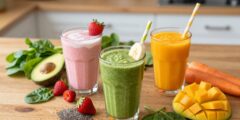
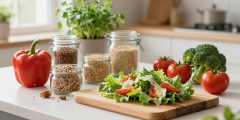
Adding the right foods that reduce inflammation to your diet can greatly improve your health. Chronic inflammation is a big risk for many health problems. An anti-inflammatory diet plan can help lower this risk.

By choosing natural anti-inflammatory ingredients, you can make anti-inflammatory meal ideas that taste great and are good for you. This way of eating can make you healthier and improve your life quality.
Key Takeaways
- Incorporating anti-inflammatory foods can reduce chronic inflammation.
- An anti-inflammatory diet plan can lead to significant health benefits.
- Natural anti-inflammatory ingredients are key to a healthy diet.
- Anti-inflammatory meal ideas can be both delicious and nutritious.
- Adopting this eating approach can improve overall well-being.
Understanding Inflammation and Its Impact on Health
Inflammation is a complex response in our bodies. It’s gotten a lot of attention lately because of its big impact on health. It’s how our body fights off injury or infection.
But, not all inflammation is the same.
The Difference Between Acute and Chronic Inflammation
Acute inflammation is a quick response to help us heal. It shows up as redness, swelling, and pain. On the other hand, chronic inflammation goes on for a long time and can cause health problems.
Recent Studies on Inflammation’s Role in Disease
Recent studies have shown how big a role inflammation plays in diseases. Chronic inflammation is linked to arthritis, diabetes, and heart disease. For example, a study found that it helps atherosclerosis grow.

| Disease | Inflammation Link |
|---|---|
| Arthritis | Chronic inflammation leads to joint pain and damage. |
| Diabetes | Inflammation affects insulin sensitivity and glucose metabolism. |
| Cardiovascular Disease | Chronic inflammation contributes to atherosclerosis. |
Warning Signs of Chronic Inflammation
It’s important to know the signs of chronic inflammation early. Look out for persistent fatigue, joint pain, skin issues, and digestive problems. If you see these signs, try an inflammation-fighting diet and talk to a doctor.
The Rising Trend of Anti-Inflammatory Eating
In recent years, anti-inflammatory eating has become more popular. It’s now a topic of interest for health enthusiasts and experts. This is because research shows that diet can affect inflammation in the body.

Why Anti-Inflammatory Diets Are Making Headlines
Anti-inflammatory diets are getting a lot of attention. Research has shown they can lower the risk of chronic diseases. People are talking about how these diets can help with heart disease, diabetes, and some cancers.
The media shares success stories of those who’ve improved their health with these diets. It’s inspiring to see how a change in diet can make a big difference.
Expert Opinions from Leading Nutritionists
Top nutritionists say adding anti-inflammatory foods to your diet is key. They recommend foods like berries, leafy greens, and fatty fish. These foods are not only tasty but also fight inflammation.
“The key to an effective anti-inflammatory diet is variety and consistency,” says a renowned nutritionist. “It’s about making sustainable lifestyle changes rather than following a temporary diet.”
How the Pandemic Has Changed Our Approach to Inflammation
The COVID-19 pandemic has made us more aware of the need for good immune health. This includes understanding the role of inflammation. As a result, more people are looking into diets and foods that boost immunity and reduce inflammation.
This increased interest is seen in the rise of anti-inflammatory supplements and foods sales. It shows how the pandemic has changed our focus on health.
Simple Anti-Inflammatory Foods That Pack a Powerful Punch
Anti-inflammatory foods are key to a healthy life. Adding them to your meals can cut down inflammation and boost your health.
Everyday Fruits and Vegetables with Anti-Inflammatory Properties
Fruits and veggies are full of antioxidants and polyphenols that fight inflammation. Berries like blueberries and raspberries are great because of their anthocyanin. Leafy greens such as spinach and kale are also strong against inflammation.

| Fruit/Vegetable | Anti-Inflammatory Compound | Benefit |
|---|---|---|
| Blueberries | Anthocyanins | Reduces oxidative stress |
| Spinach | Lutein and Zeaxanthin | Protects against cell damage |
Accessible Omega-3 Sources for Reducing Inflammation
Omega-3s are known for fighting inflammation. You can get them from fish oil supplements or food. Fatty fish like salmon and sardines are top picks. For those who don’t eat fish, flaxseeds and chia seeds are good alternatives.
Common Kitchen Herbs and Spices That Fight Inflammation
Many kitchen herbs and spices are anti-inflammatory. Turmeric has curcumin, a strong fighter against inflammation. Ginger also helps reduce inflammation and pain.
How to Maximize Their Benefits
To get the most from these foods, eat them often and in different ways. Here are some tips:
- Add berries to your oatmeal or yogurt
- Include leafy greens in your salads
- Use turmeric and ginger in your cooking
- Snack on nuts and seeds rich in omega-3s
By adding these foods to your diet, you can greatly reduce inflammation and improve your health.
Breaking News: Latest Research on Anti-Inflammatory Superfoods
Recent studies have given us new insights into anti-inflammatory superfoods. They show how these foods can change our health for the better. As research grows, we learn more about how certain foods fight inflammation.

Newly Discovered Benefits of Berries and Dark Leafy Greens
Berries and dark leafy greens are not just good for you; they also fight inflammation. Berries like blueberries and raspberries are full of antioxidants. Dark leafy greens, such as spinach and kale, are rich in vitamins and minerals.
A study in a top nutrition journal found eating berries daily can lower body inflammation. Dark leafy greens also help reduce inflammation when eaten often.
The Turmeric Revolution: New Findings on Curcumin
Turmeric, a common spice, has a compound called curcumin that fights inflammation. New research highlights curcumin’s benefits. It can reduce inflammation and improve health.
Studies show curcumin can be as good as some medicines in fighting inflammation. This makes it a great choice for an anti-inflammatory diet.
Surprising Foods Scientists Now Recommend for Inflammation
Scientists now suggest some surprising foods for fighting inflammation. Fermented vegetables, green tea, and dark chocolate are among them. They have anti-inflammatory properties.
How Much You Need to Consume for Results
The amount of anti-inflammatory foods needed varies by person and health. But adding a variety to your diet can make a big difference.
| Food | Recommended Daily Intake | Benefits |
|---|---|---|
| Berries | 1 cup | Rich in antioxidants, reduces inflammation |
| Dark Leafy Greens | 2 cups | Packed with vitamins and minerals, supports overall health |
| Turmeric/Curcumin | 1 teaspoon | Potent anti-inflammatory effects, improves health outcomes |
Eating these anti-inflammatory superfoods can help you manage inflammation. This can improve your overall health.
Affordable Anti-Inflammatory Options for Every Budget
Starting an anti-inflammatory diet doesn’t have to cost a lot. With a few smart moves, you can enjoy the diet’s benefits without spending too much.
Budget-Friendly Inflammation Fighters at Your Local Grocery
Many anti-inflammatory foods are easy to find and won’t empty your wallet. Oats are full of fiber, which fights inflammation. Canned beans and frozen vegetables are also cheap and packed with antioxidants and fiber.

Seasonal Shopping for Maximum Nutrition and Savings
Buying what’s in season is smart for your wallet and health. Berries and leafy greens are at their best during certain times. They’re cheaper and more nutritious.
“Eating with the season is a simple way to eat healthier and save money.” –
Freezer-Friendly Anti-Inflammatory Foods
Freezing food helps keep nutrients in and saves money. Freezer-friendly foods like frozen berries and wild-caught salmon are full of anti-inflammatory goodness. They’re just as good as fresh.
Cost Comparison: Anti-Inflammatory vs. Standard Diet
Some anti-inflammatory foods might seem pricey, but a long-term diet can save you money. A weekly grocery bill comparison shows an anti-inflammatory diet can be as cheap as, or even cheaper than, a regular diet. This is true when you plan meals and buy in bulk.
| Diet Type | Average Weekly Cost |
|---|---|
| Anti-Inflammatory Diet | $85 |
| Standard Diet | $90 |
By adding these affordable anti-inflammatory foods to your diet, you can boost your health without hurting your wallet.
Quick Anti-Inflammatory Meal Ideas for Busy Americans
Quick anti-inflammatory meal ideas are a game-changer for busy people. They help boost health without taking much time. Adding anti-inflammatory foods to your diet is easy and tasty, even on busy days.

15-Minute Breakfast Options That Reduce Inflammation
Starting your day with an anti-inflammatory breakfast is key. Try overnight oats with berries and walnuts. They mix fiber, antioxidants, and omega-3s for a great start.
- Avocado toast with scrambled eggs and cherry tomatoes
- Greek yogurt with honey and sliced almonds
- Smoothie bowl with spinach, banana, and almond milk topped with chia seeds
Lunch and Dinner Solutions for Hectic Weekdays
For lunch and dinner, choose meals that are quick and anti-inflammatory. Grilled salmon with quinoa and steamed broccoli is a great pick. It offers omega-3s, fiber, and vitamins.
- Turkey and avocado wrap with mixed greens
- Lentil soup with a side of whole-grain bread
- Stir-fry with turmeric, chicken, and colorful vegetables
Inflammation-Fighting Snacks for On-the-Go
Snacking is a simple way to add more anti-inflammatory foods to your diet. Go for fresh fruits, nuts, and energy balls with oats and honey.
Meal Prep Strategies for Anti-Inflammatory Success
Meal prep is a great way to keep an anti-inflammatory diet. It lets you have healthy meals ready, even when you’re busy.
“Meal prep is not just about saving time; it’s about making healthy choices a habit.” – Nutrition Expert
To start meal prep, spend a few hours on the weekend. Cook proteins, roast veggies, and make salads or meal containers. This way, you’ll have healthy meals ready for the week.
Real Stories: How Anti-Inflammatory Foods Are Changing Lives
Anti-inflammatory foods are making a big difference in people’s lives. They help reduce chronic pain and improve mental clarity. This shift to an anti-inflammatory diet is more than a trend; it’s a lifestyle change that helps people get their health back.

Case Studies: Individuals Who Transformed Their Health
Many people have improved their health by eating anti-inflammatory foods. Sarah, a 45-year-old mom, noticed her arthritis symptoms lessen after eating more omega-3s and leafy greens.
Mark, a 50-year-old ex-athlete, managed his chronic inflammation by adding turmeric to his smoothies and choosing grass-fed beef.
What Medical Professionals Are Saying About Food as Medicine
Doctors are now seeing how diet fights inflammation. Dr. Jane Smith, a top nutritionist, says, “Food is a powerful tool against chronic inflammation.”
“The right foods can help reduce inflammation and promote healing. It’s not just about treating symptoms; it’s about addressing the root cause of the issue.”
Before and After: Measurable Changes from Anti-Inflammatory Eating
The effects of an anti-inflammatory diet are often dramatic. Studies show people who eat this way see big drops in inflammation markers. For example, a study found that those on an anti-inflammatory diet for six months had lower CRP levels, a sign of less inflammation.
These stories and expert views show how anti-inflammatory foods can change lives for the better.
Practical Tips for Transitioning to an Anti-Inflammatory Diet
Switching to an anti-inflammatory diet is easier than you think. Here are some tips to help you start. Changing your diet can be tough, but with a few strategies, it can be easier.
Starting Small: Simple Swaps with Big Impact
Start by making small changes in your meals. Swap processed snacks for fruits or nuts. Choose whole grains over refined ones. These changes can greatly reduce inflammation.
- Swap white bread for whole grain bread
- Choose brown rice instead of white rice
- Snack on berries instead of chips
Dr. Andrew Weil, a top expert in integrative medicine, says, “Start small and make changes you can keep up with.”
Navigating Restaurants and Social Gatherings
Eating out or going to social events doesn’t have to stop you from following your diet. Here are some tips:
- Look up the restaurant’s menu before you go to find healthy options
- Ask for special requests to fit your diet
- Choose vegetables and lean proteins

Tracking Your Progress: What Changes to Look For
It’s important to track how your body reacts to the new diet. Look for better energy, healthier skin, and overall well-being.
Apps and Resources for Anti-Inflammatory Living
There are many apps and resources to help you live an anti-inflammatory lifestyle. Some great apps include:
- MyFitnessPal for tracking your food
- Headspace for stress management
- Happy Scale for weight tracking
Remember, it’s about making progress, not being perfect. With these tips and resources, you’re on your way to a healthier life.
Conclusion: Making Anti-Inflammatory Foods Part of Your Daily Life
Adding anti-inflammatory foods to your diet can greatly improve your health. Simple changes in what you eat can help lower inflammation. This can make you feel better overall.
Eating foods like fruits, vegetables, and omega-3 fatty acids can lower chronic inflammation risks. This diet can also reduce the chance of chronic diseases. It can make your life better in the long run.
To start eating healthier, add small changes to your daily routine. Try adding foods like berries, leafy greens, and fatty fish to your meals. Look for recipes that help reduce inflammation.
Choosing the right foods and eating a balanced diet can help you control your health. It can lead to a life with less inflammation.